Fallout, what is it?
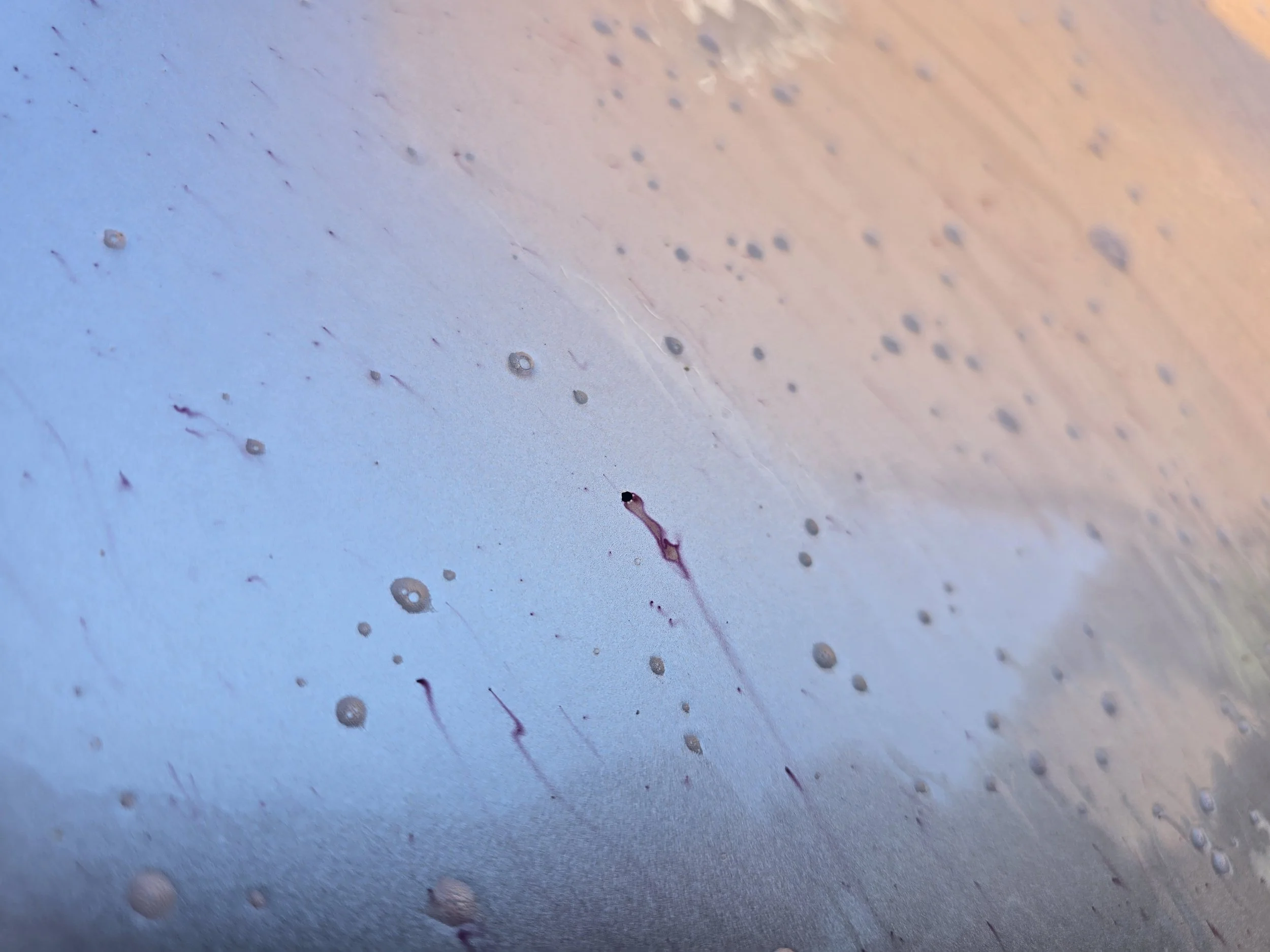
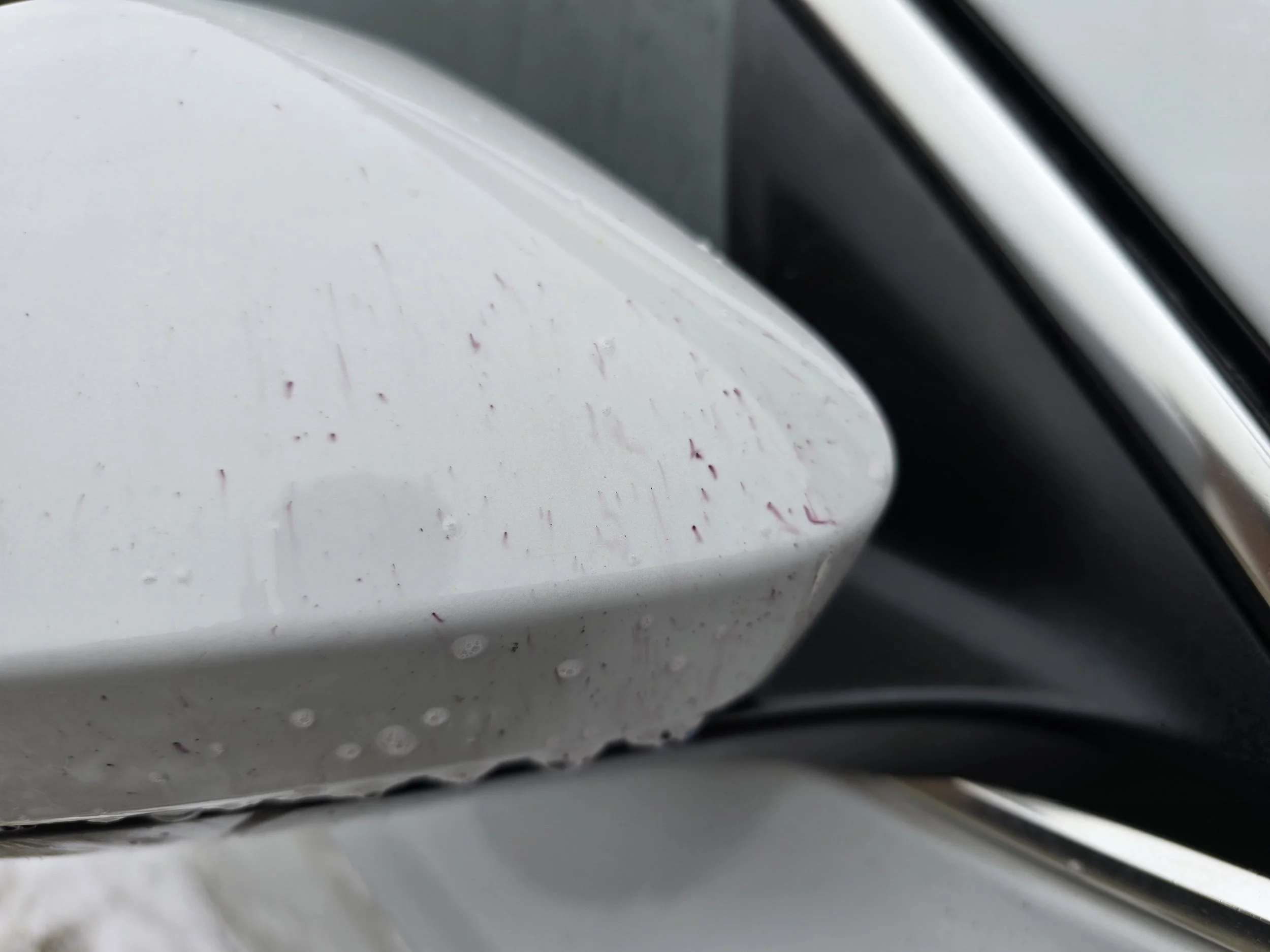
Fallout on a Skoda Superb Estate
Often used when discussing nuclear warfare (scary) but is often used in the world of car cleaning as well. Thankfully it’s nowhere near as scary as the thought ot Trump armed with a big red button, but it can still spell disaster for your car’s paintwork.
To answer the question, fallout is when small particles from the atmosphere become embedded in to the car’s paint, leaving it with a rough surface that sounds scratchy to the touch. That isn’t the only byproduct of fallout, it often leaves small rusts dots on the paint where the metal has oxidised - not a good look in anyone’s books.
How does fallout happen?
Fallout can be caused by more than one factor, but the most common ones are brake dust (this is why fallout remover is commonly used to clean alloy wheels), railway lines or industrial areas. Some cars will gain more exposure than others; for example, a car parked in a train station car park is likely to attract more fallout than a car left in a multi-story car park. The same can be said for a car parked near a factory compared to a run of the mill office.
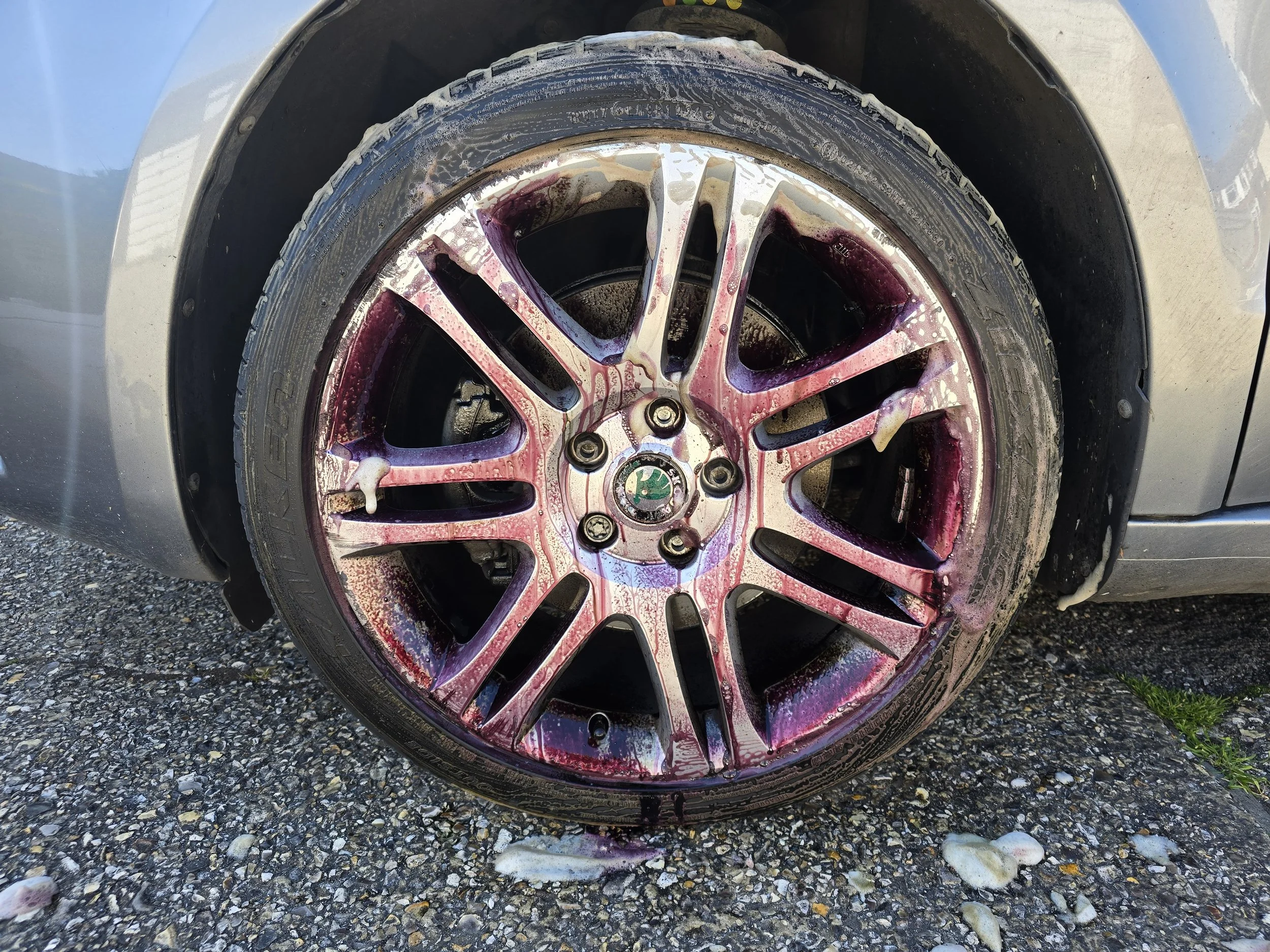
Fallout removers are popular as wheel cleaners to eradicate brake dust collected on the alloy
How can I combat it?
Combatting fallout is fairly simple, and depending on the amount of contamination on the car, quick. There are plethora of fallout removers on the market, and choosing the right one may just boil down to which brand you favour. One common theme of fallout removers is the satisfying purplely /red ‘bleeding’ you’ll experience when the product reacts with the iron particles. This is thanks to ‘thioglycolate’, which the key ingredient for the colour change, but it does have a side effect that isn’t so pleasant. As much as the bleeding is pleasing to you eyes, this chemical won’t be as pleasant to the nostrils due to it’s sulphury smell.
Normally all you need to do is to spray on, let the product dwell to do its thing and then rinse off thoroughly. On more severe cases there will be the temptation to to agitate the product whilst it’s on the car, but even with gentle pressure you run the risk of scratching the paintwork. Remember, these are small metal particles, so rubbing them in to the paintwork is not the smartest idea.
How can I prevent fallout?
Unless you are going to permanently garage your car, there will always be a risk of incurring fallout on your car. So although you can’t STOP the process, you can improve the matter by having a good protection on your car, whether that’s in the form of a ceramic coating, sealant, or if you’re a bit old school - a wax. Regular cleaning is also key, but if you would rather someone else do the dirty work, then drop me a line and I can take care of it for you!